Introduction
Environmental, Social and Governance (ESG) is becoming an increasingly important part of how organisations manage risk, strengthen resilience and create long-term value. While sustainability reporting often attracts the most attention, meaningful ESG decisions begin much earlier, with the quality of the information businesses collect, manage and use every day.
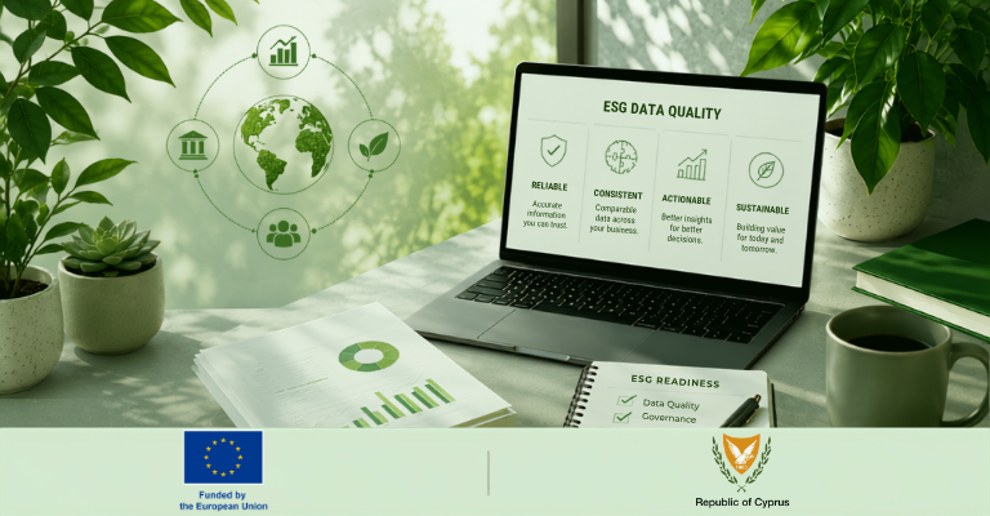
For many small and medium-sized enterprises (SMEs), the challenge is not collecting more data, but ensuring that existing information is reliable, consistent and fit for purpose. Without trusted ESG data, organisations may struggle to make informed decisions, measure progress and respond confidently to growing sustainability expectations.
Why Data Quality Matters
As sustainability expectations continue to evolve, many SMEs are increasingly receiving requests for sustainability information from customers, financial institutions and larger organisations across their value chains (EFRAG, SMEs and Sustainability Reporting).
However, producing reliable ESG information remains a challenge. Sustainability data is often spread across different departments, systems and processes, making it difficult to organise, verify and use consistently.
Improving data quality is therefore more than a reporting objective. It helps organisations build confidence in their information, strengthen internal decision-making and establish a solid foundation for future sustainability initiatives.
Trusted Data Supports Better Decisions
Reliable ESG information supports better business decisions.
When sustainability data is structured, consistent and trustworthy, organisations are better positioned to identify risks, monitor performance and support long-term planning. It also improves transparency and helps businesses respond more effectively to the growing expectations of customers, partners and other stakeholders.
Rather than viewing ESG data solely as a reporting requirement, SMEs can use it as a strategic business asset that supports continuous improvement and more informed decision-making.
AI Starts with Reliable Information
Artificial Intelligence is becoming an increasingly valuable tool for analysing sustainability information and supporting business processes. However, technology alone cannot improve the quality of ESG outcomes.
AI systems rely on high-quality data, appropriate governance and effective verification mechanisms to produce reliable results. Without trustworthy information, even the most advanced technologies cannot deliver consistent, transparent or explainable insights (OECD, 2026, Leveraging AI and Digital Tools for SME Sustainable Finance).
For this reason, trusted data remains the foundation of responsible AI and effective ESG assessment.
Building ESG Readiness
Developing ESG readiness begins long before preparing a sustainability report.
It starts with understanding whether an organisation has the appropriate governance, internal processes and reliable information needed to manage ESG topics effectively.
Strengthening these foundations enables SMEs to improve the consistency of their sustainability information while supporting better business decisions and preparing for evolving market expectations.
How TRUST-ESG Supports SMEs
The TRUST-ESG project explores how trusted data and explainable Artificial Intelligence can support SMEs in assessing their ESG readiness and improving the quality of sustainability information.
By combining research, digital innovation and practical assessment tools, the project aims to help organisations better understand their current level of ESG readiness and support more transparent, reliable and evidence-based decision-making.
Conclusion
Strong ESG performance is built on strong information.
For SMEs, investing in trusted ESG data is not simply about preparing for future reporting expectations. It is about strengthening decision-making, improving organisational readiness and building greater confidence for the future.