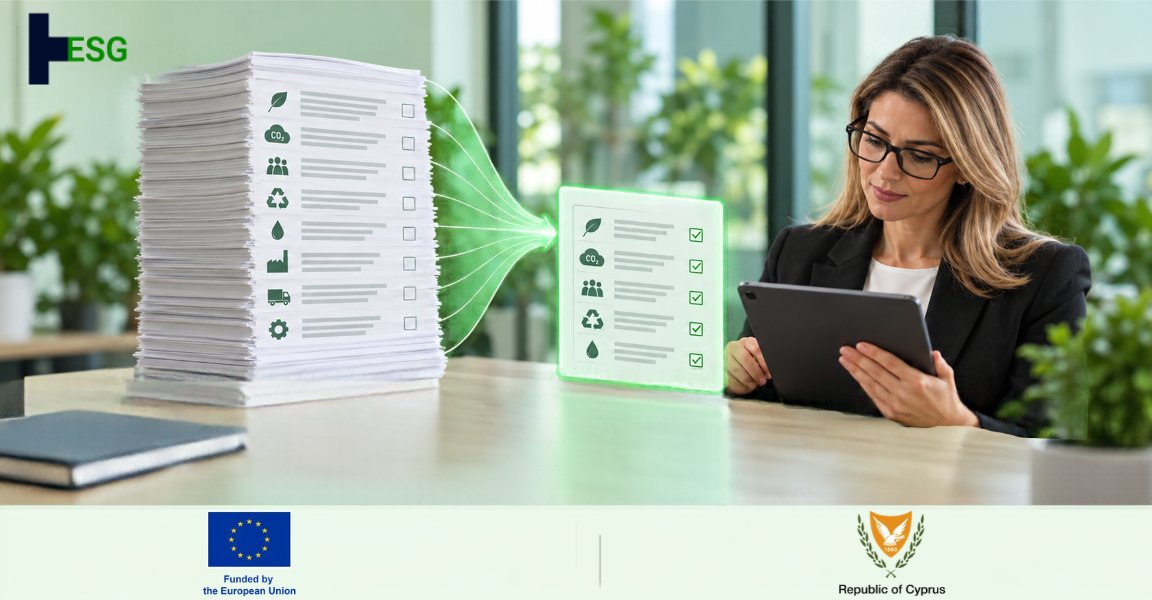
Large customers often send comprehensive sustainability questionnaires to smaller suppliers. A recent reform in European Union regulations addresses this through what is commonly called the value-chain cap. For small businesses, understanding this is highly beneficial: it establishes a recognized boundary on what can be demanded for specific purposes and indicates a reasonable level of readiness.
Understanding the Value-Chain Cap
The EU introduced the cap as part of its 2026 effort to streamline sustainability rules, detailed in Directive (EU) 2026/470. This directive, published in the Official Journal on February 26, 2026, and effective from March 18, 2026, aims to restrict the sustainability information that large companies can require from smaller partners for their mandatory sustainability reporting.
Protection and Scope of the Cap
The value-chain cap safeguards entities that, as of their balance-sheet date, averaged no more than 1,000 employees over the previous financial year. For mandatory sustainability reporting, companies within this scope should not request information beyond what is defined by the relevant voluntary standard unless they need additional data that is typically shared within the sector and cannot reasonably be sourced otherwise. The requesting company must justify such needs (European Union, 2026; European Commission, 2026).
Significance for Smaller Suppliers
For smaller suppliers, the cap becomes an operational consideration. Previously, requests from major clients could seem limitless, leaving businesses unsure whether to invest significant effort in comprehensive responses. The cap provides a reference: there is a defined limit to what a partner can request for mandatory reporting. While this does not eliminate the importance of engaging productively with customers, it allows smaller companies to distinguish between information required for reporting and additional information requested for other purposes, helping them manage limited resources.
Limitations of the Cap
The cap provides protection, not a ban on all communication. For mandatory sustainability reporting, reporting entities cannot demand information beyond the cap. However, this does not prevent them from seeking additional information for separate commercial, contractual, or financing reasons, or from receiving it voluntarily. Whether an SME must provide such information depends on the specific contractual or commercial context.
Responding to Information Requests
This article offers general insights and should not be considered legal advice. SMEs receiving sustainability requests might find it helpful to follow these steps:
- Identify the requester.
- Clarify the purpose of the request.
- Determine if it pertains to the partner's mandatory sustainability reporting.
- Compare the requested information with what the value-chain cap covers.
- Distinguish between necessary information and additional information that may be voluntarily provided.
- Maintain a written record of requests and responses.
Preparing Efficiently
The value-chain cap can set boundaries for information requests, while the voluntary standard helps SMEs prepare an appropriate set of disclosures in advance. TRUST-ESG supports this practical readiness, offering enough structure to respond credibly without turning every request into a comprehensive reporting task. The supplier's immediate job is to assess the request against the value-chain cap's disclosures and document its response.
References
European Union. (2026, February 26). Directive (EU) 2026/470 of the European Parliament and of the Council. Official Journal of the European Union.
European Commission. (2026, July 3). Commission Delegated Regulation (EU) 2026/1560 supplementing Directive 2013/34/EU of the European Parliament and of the Council by establishing sustainability reporting standards for voluntary use by undertakings protected by the value chain cap.